Feeling the burn after a tough workout? Or perhaps dealing with persistent muscle stiffness that just won’t let go? You’re not alone. Many individuals, from elite athletes to everyday fitness enthusiasts, are constantly seeking effective ways to alleviate muscle pain, accelerate recovery, and enhance their physical performance. Enter the Physio Massage Gun, a revolutionary tool that has rapidly gained popularity as a go-to device for self-myofascial release and percussive therapy. But what exactly is a physio massage gun, and can it truly transform your recovery routine? Let’s dive in and explore how this dynamic tool can help you optimize your health and well-being.
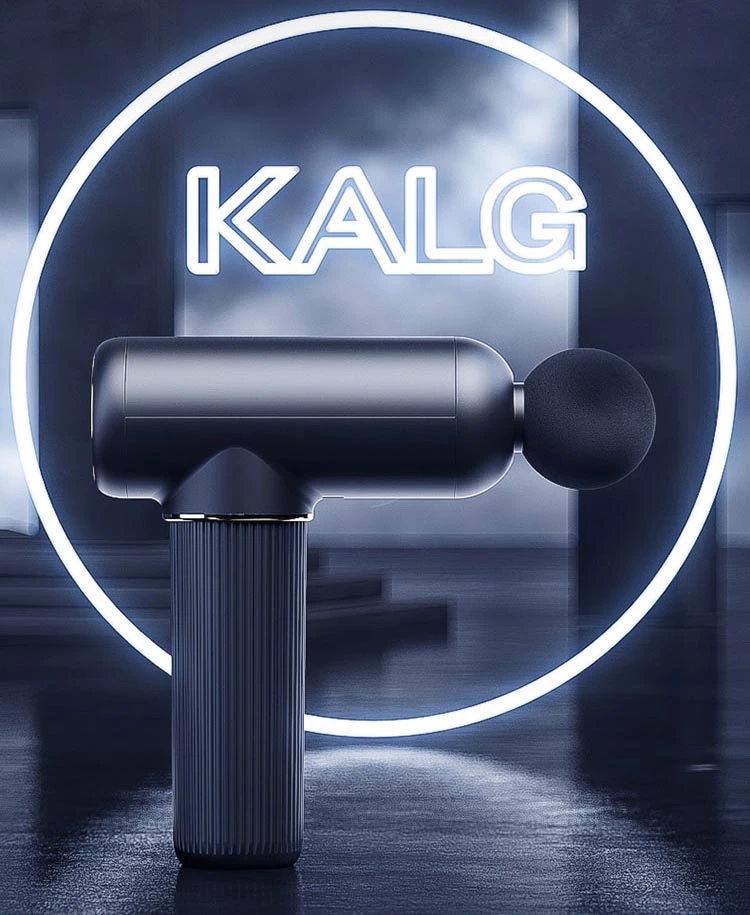
What is a Physio Massage Gun and How Does It Work?
A physio massage gun, often referred to as a percussive massager, is a handheld device designed to deliver rapid, pulsating bursts of pressure into your muscle tissue. Unlike traditional vibrating massagers that offer surface-level relief, these guns use percussive therapy, meaning the head moves in and out at a rapid pace, mimicking the deep tissue work of a professional massage therapist. This targeted approach helps to loosen tight muscles, break down knots, and reach deeper layers of tissue that might be otherwise inaccessible through self-massage.
The magic behind a physio massage gun lies in its ability to stimulate the body’s natural recovery processes. By applying focused pressure, it significantly increases blood flow to the treated area. This surge in circulation delivers vital oxygen and nutrients to fatigued muscles while simultaneously aiding in the removal of metabolic waste products, such as lactic acid, that accumulate during intense exercise. Furthermore, the rhythmic percussion helps to stimulate the nervous system, signaling muscles to relax and reducing their overall tension.
The Multifaceted Benefits of a Physio Massage Gun
The advantages of incorporating a physio massage gun into your routine are extensive, touching upon various aspects of muscle health and overall physical performance.
Reduced Muscle Tension and Soreness (DOMS)
One of the most immediate and appreciated benefits is the relief from delayed onset muscle soreness (DOMS). The deep percussive action helps to break up muscle adhesions and reduce tightness, significantly easing the discomfort that often follows strenuous activity. You’ll find yourself bouncing back faster, ready for your next challenge.
Enhanced Blood Circulation and Lymphatic Flow
Improved blood flow is crucial for muscle repair and general well-being. A physio massage gun enhances local circulation, ensuring muscles receive ample oxygen and nutrients. This also stimulates the lymphatic system, which plays a vital role in removing toxins and supporting your immune system, leading to better overall tissue health.
Accelerated Muscle Recovery and Injury Prevention
By facilitating blood flow and reducing muscle tension, massage guns speed up the body’s recovery process. This accelerated healing means less downtime and a quicker return to peak performance. When used as part of a warm-up, they can also increase muscle temperature and pliability, helping to prevent injuries by preparing muscles for activity.
Increased Flexibility and Range of Motion
Regular use of a physio massage gun can lead to noticeable improvements in flexibility and joint range of motion. By releasing tightness in muscles and connective tissues, it allows for greater freedom of movement, which is essential for both athletic performance and daily activities. Combining it with stretching can amplify these effects.
Effective Pain Relief
For those suffering from chronic pain, trigger points, or general aches, a massage gun can provide significant, localized relief. The deep pressure can interrupt pain signals and relax the affected areas, offering a non-pharmacological approach to managing discomfort.
Improved Athletic Performance
Many professional athletes swear by massage guns for optimizing their performance. By ensuring muscles are warm, flexible, and free of tension before a workout, and by accelerating recovery afterward, these devices help athletes maintain peak physical condition, enhance endurance, and improve power output.
Cost-Effective Home Therapy
While professional massage therapy offers unique benefits, it can be costly and time-consuming. A physio massage gun provides a convenient and affordable alternative, allowing you to access therapeutic massage benefits anytime, right in the comfort of your home or gym.
Navigating Your Physio Massage Gun: A Guide to Safe and Effective Use
To truly harness the power of your physio massage gun, knowing how to use it safely and effectively is paramount.
Choosing the Right Attachment for Different Muscle Groups
Most physio massage guns come with a variety of interchangeable heads, each designed for specific applications:
- Large Ball Head: Ideal for large muscle groups like quads, hamstrings, and glutes.
- Small Ball Head: Perfect for smaller muscles such as calves and arms.
- Flat Head: Versatile for general full-body use, particularly on dense muscles.
- Fork Head: Best for targeting muscles around the spine (avoiding the spine itself) and other bony areas like the neck and shoulders.
- Bullet/Cone Head: Used for pinpoint precision on trigger points and deep knots.
Optimal Settings: Speed, Pressure, and Duration
Start your session by attaching the desired head and turning the device on before placing it on your body. Begin with the lowest intensity setting to gauge your comfort level. You can test it on the palm of your hand first.
- Warm-up: Before a workout, use the massage gun for 30 seconds to 1 minute on each muscle group you intend to target. This helps increase blood flow and prepare muscles for activity.
- Recovery: After a workout, spend 1 to 2 minutes on each muscle group at a low to moderate frequency. This aids in reducing soreness and stiffness, and helps with the removal of metabolic waste.
- Pain Relief/Tightness: For specific tight spots or knots, focus on the area for 20-30 seconds. You can apply slightly more pressure as long as it remains comfortable, aiming for a discomfort level of about 4-6 out of 10.
Glide the massage gun slowly over the muscle, allowing the percussion to do the work. Avoid pressing it too hard into your muscles; the device’s amplitude is designed to penetrate effectively.
Key Safety Precautions: What to Avoid
While physio massage guns are largely safe, incorrect use can lead to injury.
- Avoid Bony Areas and Joints: Never use the massage gun directly on bones, joints, or the spine.
- Sensitive Areas: Steer clear of sensitive areas like the front and sides of your neck, armpits, groin, and behind your knees, where major arteries, veins, and nerves are close to the surface.
- Injuries: Do not use the device on broken skin, open wounds, bruises, or inflamed areas.
- Medical Conditions: If you have certain medical conditions such as blood clots, severe varicose veins, osteoporosis, or are on prescription blood thinners, consult your doctor or a physical therapist before use.
- Listen to Your Body: If you experience sharp pain, stop immediately. The goal is relief, not discomfort.
- Frequency: Allow at least 48 hours between sessions on the same muscle group to give your body time to recover from the treatment.
Physio Massage Guns vs. Other Recovery Methods: A Comparative Look
Understanding how physio massage guns stack up against other popular recovery tools can help you make informed choices for your wellness routine.
Massage Gun vs. Foam Roller
Both tools target myofascial release, but they work differently. Foam rollers apply sustained pressure over a broader area through body weight, offering a more generalized massage. A physio massage gun, with its percussive action, provides more targeted, deeper, and faster relief, making it superior for breaking down deep knots and adhesions. Foam rollers are often more cumbersome to carry and less precise.
Massage Gun vs. Professional Massage Therapy
While a physio massage gun offers convenient relief, it’s not a complete substitute for a professional massage therapist. A trained therapist can identify underlying issues, adjust techniques based on your body’s response, and provide personalized treatment for chronic pain, muscle imbalances, or complex injuries. Massage guns are excellent for maintenance and immediate relief, whereas professional therapy addresses the root cause of discomfort with a holistic approach for long-term health.
Massage Gun vs. Traditional Stretching
Stretching is fundamental for improving flexibility and range of motion. Studies suggest that a short session with a massage gun can yield similar immediate improvements in range of motion as stretching. However, for comprehensive flexibility and injury prevention, combining physio massage gun therapy with an active stretching routine is often the most effective approach. The gun can help prepare muscles for deeper stretches.
Expert Insights and Scientific Backing
The rise of the physio massage gun has been accompanied by a growing body of research exploring its efficacy. While more long-term studies are always emerging, current evidence supports several key benefits. “Percussive therapy, when applied correctly, is a valuable tool in both warm-up and recovery,” states Dr. Anya Sharma, a leading sports physiotherapist. “It demonstrably improves blood flow, reduces muscle stiffness, and can significantly decrease perceived soreness, allowing individuals to maintain consistency in their training and daily activities.”
Research indicates that massage guns are effective in improving short-term range of motion, flexibility, and various recovery-related outcomes. For instance, studies have shown improvements in hip, hamstring, and calf flexibility after just a few minutes of use. However, it’s important to note that many observed benefits are often short-term, typically lasting post-intervention or up to 24-48 hours. This underscores their role as a supplementary tool within a broader recovery strategy rather than a standalone cure for chronic conditions.
Choosing Your Ideal Physio Massage Gun: Tips for Smart Selection
With a plethora of options on the market, selecting the right physio massage gun can feel overwhelming. Here are some key factors to consider:
- Motor Power and Amplitude: Look for devices with a powerful motor and sufficient amplitude (how far the head travels) for deep tissue penetration. Amplitudes of 12mm-16mm are common in effective models.
- Battery Life: A longer battery life (2-4 hours is good) ensures you won’t be constantly recharging, especially if you plan to use it frequently or on the go.
- Attachments: A good variety of attachments allows you to target different muscle groups and sensitivities effectively.
- Noise Level: Some massage guns can be quite loud. Brands like Theragun and Hyperice are known for their QuietForce technology, offering powerful percussion with minimal noise.
- Ergonomics and Portability: A comfortable grip and a design that’s easy to maneuver are essential. If you plan to travel with it, consider a compact or mini version.
- Speed Settings: Multiple speed settings provide versatility, allowing you to customize the intensity for different needs, from gentle warm-ups to deep tissue work.
Popular and well-regarded brands in the market include Theragun (Therabody), Hyperice (Hypervolt), Bob and Brad, and RENPHO, each offering a range of models suitable for various budgets and requirements.
Frequently Asked Questions (FAQ)
Can I use a massage gun every day?
Yes, you can use a massage gun every day, but it’s crucial to be mindful of duration and intensity. Limit use to 10-20 seconds on a specific spot and no more than 1-2 minutes per large muscle group. Also, allow at least 48 hours between sessions on the exact same muscle to prevent over-treatment.
Is a massage gun good for back pain?
A massage gun can be very effective for relieving muscle tension in the large, bulky muscles on either side of the spine that contribute to back pain. However, you must never use it directly on the spine or any bony areas. Focus only on the muscle tissue, and if you have severe or radiating back pain, consult a healthcare professional.
Can massage guns break up scar tissue?
While some anecdotal evidence suggests massage guns can help improve the pliability of tissue around scars and ease pain, there is limited scientific research definitively proving they can “break up” scar tissue. They can, however, improve circulation to the area, potentially aiding in tissue remodeling and reducing stiffness.
What are the potential risks of using a massage gun?
Improper use can lead to bruising, increased soreness, or even exacerbate an existing injury. Serious adverse events, though extremely rare, have been reported from incorrect application, particularly over sensitive areas or in individuals with certain medical conditions. Always follow safety guidelines and consult a professional if unsure.
When should I not use a massage gun?
Avoid using a massage gun on bones, joints, open wounds, bruises, sensitive skin, or areas with poor sensation. Do not use it if you have conditions like blood clots, severe varicose veins, advanced osteoporosis, or are taking blood thinners, without prior medical consultation. It should also be avoided during pregnancy without a doctor’s approval.
Conclusion
The physio massage gun stands as a powerful, versatile tool in the quest for optimized muscle health, faster recovery, and enhanced performance. By understanding its mechanisms, adhering to safe usage guidelines, and recognizing its role within a comprehensive wellness strategy, you can unlock its full potential. Whether you’re an athlete pushing your limits or simply seeking relief from daily aches, integrating a physio massage gun into your routine can be a game-changer. Embrace this innovative technology, listen to your body, and take an active step toward a more comfortable, mobile, and resilient you.