In the ever-evolving world of fitness and wellness, a handheld device has emerged as a game-changer for muscle recovery, pain relief, and overall well-being: the massage gun. Often referred to simply as a “percussion massager,” this innovative tool delivers targeted relief that can transform your body’s ability to recover and perform. Whether you’re an elite athlete or someone battling everyday aches, understanding the technology, applications, and benefits of a massage gun can empower you to optimize your self-care routine and unlock new levels of comfort and mobility.
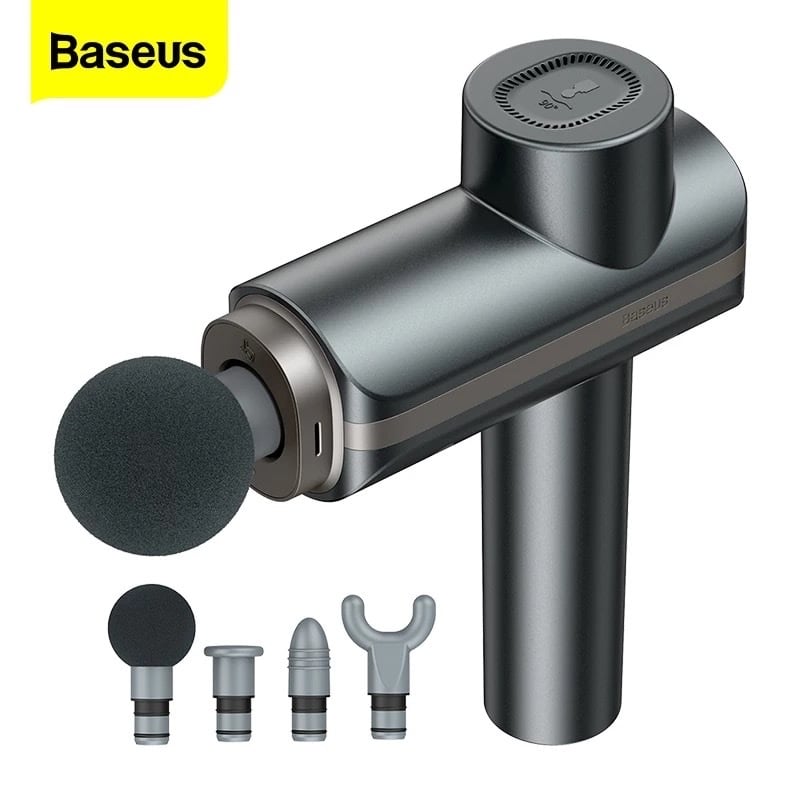
What Exactly is a Massage Gun (and How Does it Work)?
At its core, a massage gun is a handheld device that utilizes percussive therapy, a technique designed to mimic the rapid, repetitive strokes of a deep tissue massage. Imagine a mini jackhammer for your muscles—that’s the basic principle. Inside, a powerful motor drives an attachment head that delivers quick, concentrated pulses of pressure deep into your muscle tissue and fascia, the connective tissue surrounding muscles. These rapid bursts of pressure, often ranging from 1,200 to over 3,000 percussions per minute (PPM), work to:
- Increase blood flow: The percussive action stimulates circulation, helping to deliver oxygen and nutrients to tired muscles while flushing out metabolic waste products like lactic acid.
- Stimulate the nervous system: It targets mechanoreceptors (responding to pressure and touch) and proprioceptors (regulating balance and body position), which can reduce pain perception and enhance mobility.
- Encourage lymphatic drainage: This helps to reduce inflammation and swelling, contributing to faster recovery.
- Break up knots and adhesions: The deep tissue stimulation can help release muscle tension, break down scar tissue, and address trigger points, which are common sources of pain and stiffness.
Different models offer varying amplitude (how deep the head travels into the muscle), stall force (how much pressure can be applied before the motor stops), and multiple speed settings, allowing for a customized experience. Most massage guns also come with a variety of interchangeable heads, each designed to target specific muscle groups or provide different types of pressure.
Unlock Your Body’s Potential: Key Benefits of Using a Massage Gun
Integrating a massage gun into your daily routine can yield a remarkable array of benefits, impacting both your physical performance and general well-being.
Muscle Recovery & Pain Relief
One of the most celebrated advantages of percussion therapy is its ability to accelerate muscle recovery and alleviate soreness. After an intense workout, muscles often experience delayed onset muscle soreness (DOMS), characterized by stiffness and tenderness. Massage guns can significantly reduce DOMS by boosting blood flow, which aids in the removal of lactic acid and other waste products. This deep tissue massage also helps to relax tight muscles and release painful knots, offering immediate and noticeable pain relief.
Enhanced Flexibility & Range of Motion
Regular use of a massage gun can lead to improved flexibility and an increased range of motion (ROM) in your joints. By reducing muscle stiffness and tension, the device allows your muscles to lengthen more effectively, enabling greater joint mobility. Studies have shown that massage guns are effective in improving ROM and flexibility in various muscle groups, including the hamstrings, triceps, and hip muscles.
Improved Blood Flow & Lymphatic Drainage
The rapid pulses from a massage gun are excellent for enhancing blood and lymphatic circulation. Improved blood flow ensures that your muscles receive a steady supply of oxygen and nutrients essential for repair and growth. Simultaneously, stimulating the lymphatic system helps to clear away toxins and reduce inflammation, contributing to overall tissue health and faster recovery.
Injury Prevention & Rehabilitation Support
Using a massage gun as part of your warm-up can prepare your muscles for activity, increasing pliability and flexibility, thereby reducing the risk of injury. For those recovering from injuries, particularly muscular strains or issues involving scar tissue, massage guns can be a valuable rehabilitation tool. They can help break down scar tissue and promote healing by increasing blood flow to the affected area, though it’s crucial to avoid using them on fresh injuries or inflamed areas.
Beyond the Physical: Stress Reduction & Better Sleep
The benefits extend beyond the purely physical. The relaxing effects of percussive therapy can help ease stress and anxiety by promoting a sense of relaxation throughout the body. Using a massage gun before bedtime can relax your central nervous system, signaling to your body that it’s time to wind down, potentially leading to better sleep quality. This improved state of mind can also contribute to increased focus during the day.
Choosing Your Perfect Percussion Partner: Types of Massage Guns
The market is brimming with various massage gun models, each with distinct features. Selecting the right one depends on your individual needs and preferences. Here are key factors to consider:
- Amplitude: This refers to how deep the massage gun head penetrates the muscle. Higher amplitude (e.g., 12-16mm) generally provides a deeper, more intense massage, while lower amplitude (e.g., 8-10mm) is suitable for lighter, more superficial work.
- Stall Force: This measures how much pressure you can apply before the motor stalls. A higher stall force indicates a more powerful device that won’t stop easily under pressure.
- Speed Settings (PPM/Hz): Most massage guns offer multiple speed settings, measured in percussions per minute (PPM) or Hertz (Hz). Lower settings are ideal for sensitive areas or relaxation, while higher speeds deliver more intense, deep tissue work.
- Attachments: Massage guns typically come with a range of interchangeable heads, such as round (for large muscle groups), flat (for general use), bullet (for trigger points), and fork (for spinal muscles or around tendons). A good variety enhances versatility.
- Battery Life: Consider how long the device lasts on a single charge, especially if you plan to use it frequently or on the go.
- Noise Level: Some models are significantly quieter than others, a crucial factor if you intend to use your massage gun in public spaces or while others are sleeping.
- Size and Portability: Mini massage guns are compact and lightweight, perfect for travel, while larger models often offer more power and features.
Mastering Your Device: Safe and Effective Massage Gun Usage
To maximize the benefits and prevent potential injury, proper technique is key.
When to Use Your Massage Gun
- Pre-workout warm-up: Spend a few minutes on tight muscles to increase blood flow, warm them up, and improve flexibility, reducing injury risk.
- Post-workout recovery: Focus on worked muscle groups to reduce soreness, aid in lactic acid breakdown, and speed up recovery.
- General use: Use it anytime to relieve muscle tension, alleviate pain, or improve overall mobility.
The Dos and Don’ts of Percussive Therapy
Do:
- Start slowly: Begin with the lowest intensity setting and gradually increase speed and pressure as your body adapts.
- Move constantly: Keep the massage gun moving slowly over the muscle, spending about 10-30 seconds per spot and no more than 1-2 minutes per muscle group to avoid over-stimulation or bruising.
- Listen to your body: If you feel pain, stop immediately. Differentiate between comfortable muscle release and actual discomfort.
- Hydrate: Drink plenty of water before and after use to help flush out toxins and support muscle health.
- Hold perpendicularly: For best results and comfort, hold the massage gun perpendicular to the muscle area.
- Experiment with attachments: Find the heads that work best for different muscle groups and desired intensity.
Don’t:
- Avoid bony areas: Never use the massage gun directly on bones, joints, or bony prominences like the spine, kneecaps, ribs, elbows, or the front/sides of your neck. Focus strictly on muscle tissue.
- Avoid sensitive areas: Steer clear of your face, head, groin, and areas with superficial nerves and vessels.
- Don’t use on injured or compromised skin: This includes open wounds, recent injuries, inflamed areas, bruises, rashes, or varicose veins, as it can worsen the condition or cause further damage.
- Limit prolonged use on one spot: Excessive pressure or staying too long in one area can cause discomfort or tissue damage.
- Don’t apply excessive pressure: Let the device do the work. Its own weight and mechanism provide sufficient force.
- Consult a professional: If you have underlying health conditions, are recovering from a serious injury, or have concerns, consult a physiotherapist or doctor before use.
Massage Guns vs. Traditional Methods: A Quick Comparison
While manual massage, foam rolling, and stretching are effective, massage guns offer unique advantages:
- Speed and Efficiency: A massage gun can deliver targeted percussive therapy much faster and more consistently than manual methods, making it ideal for quick warm-ups or post-workout recovery.
- Depth of Penetration: Percussion therapy can reach deeper muscle tissues that might be difficult to access with foam rollers or even manual massage, especially for breaking up stubborn knots.
- Convenience: Massage guns offer the convenience of self-application, allowing you to treat muscles on demand without needing a therapist.
However, each method has its place. Foam rollers are excellent for broad myofascial release, while professional manual massage offers a holistic, diagnostic approach that a device cannot replicate.
The Science Speaks: What Research Says About Massage Guns
The scientific community continues to explore the full spectrum of effects of massage guns, with a growing body of evidence supporting their efficacy. A systematic review published in the Journal of Functional Morphology and Kinesiology concluded that massage guns are effective in improving short-term range of motion, flexibility, and recovery-related outcomes. Studies consistently show that they can reduce muscle stiffness and delayed onset muscle soreness (DOMS).
While the exact physiological mechanisms are still being fully understood, research points to neuronal, vascular, and mechanical responses. The vibration and pressure target mechanoreceptors, enhance blood flow, and can alter the viscoelasticity of connective tissues.
However, the same review notes that results for improving strength, balance, acceleration, agility, and explosive activities are mixed, sometimes showing no improvement or even a decrease in performance, particularly if used immediately before intense strength activities. It’s also important to note that most studies have focused on short-term effects, so the long-term impacts of massage gun use are still largely unknown.
“Massage guns are an excellent tool for enhancing your body’s natural recovery processes and improving flexibility,” says Dr. Elena Petrova, a leading sports physiotherapist. “While they won’t replace a comprehensive rehabilitation program, their ability to provide immediate, targeted relief is invaluable for athletes and anyone seeking to manage muscle tension.”
Tips for Maximizing Your Massage Gun Experience
- Consistency is Key: Regular use, even for short durations, will yield the best long-term results.
- Combine with Stretching: Integrate your massage gun use with a stretching routine for enhanced flexibility and mobility.
- Mindful Breathing: Practice deep, diaphragmatic breathing while using your massage gun to further promote relaxation and oxygen flow.
- Warm-up Before Use: If your muscles are cold and stiff, a light warm-up before using the massage gun can make the experience more comfortable and effective.
Frequently Asked Questions (FAQ)
How long should I use a massage gun on one area?
Aim for 10-30 seconds on a specific spot and no more than 1-2 minutes per muscle group to avoid over-stimulation or bruising.
Can I use a massage gun every day?
Yes, you can use a massage gun daily, but limit usage to 2-3 times per day per muscle group. Always listen to your body and adjust as needed.
What areas should I absolutely avoid with a massage gun?
Avoid bony areas like the spine, kneecaps, and elbows. Also, do not use on the front or sides of the neck, face, head, groin, or any areas with open wounds, bruises, inflammation, or varicose veins.
Are massage guns effective for chronic pain?
While massage guns can provide temporary relief for muscle-related chronic pain by reducing tension and improving blood flow, they are not a cure. Consult a healthcare professional for a comprehensive treatment plan for chronic conditions.
How do I clean my massage gun?
Most massage guns can be wiped down with a damp cloth and mild soap or an antiseptic wipe. Ensure the device is off and unplugged before cleaning. Regularly clean attachments to maintain hygiene.
Conclusion
The massage gun has firmly established itself as an indispensable tool in the modern wellness arsenal, offering a convenient and effective way to manage muscle tension, accelerate recovery, and enhance overall physical performance. By understanding how these devices work, their profound benefits, and—most importantly—how to use them safely and effectively, you can truly master your recovery and elevate your health journey. Embrace the power of percussion therapy and discover the difference a massage gun can make in feeling your best, every single day.