Are you an athlete, a fitness enthusiast, or simply someone dealing with everyday muscle aches and stiffness? If so, you’ve probably heard the buzz around recovery massage guns. These handheld devices have revolutionized personal recovery, offering a powerful and convenient way to alleviate muscle tension, reduce soreness, and accelerate your body’s healing process. But what exactly is a recovery massage gun, and how can it transform your wellness routine? Let’s dive in.
|
Our Picks for the Best Massage Gun in 2026
As an Amazon Associate I earn from qualifying purchases.
|
||
| Num | Product | Action |
|---|---|---|
| 1 | Elefor Massage Gun Deep Tissue,Percussion Back Massager Gun for Athletes Muscle Massage Gun for Pain Relief with 8 Massage Heads & 20 Speeds (Matte Black) |

|
| 2 | TOLOCO Massage Gun Deep Tissue, Percussion Massage Gun with 10 Replacement Heads, Super Quiet Portable Electric Massager for Athletes, Relax, Black |
|
| 3 | 2026 New 16 Head Massage Gun Set, Deep Tissue Massager, Deep Tissue Percussion Massager 9 Modes 20 Levels, Back Massager Gun for Pain Relief, Muscle Massager for Neck, Shoulders, Legs, Foot |
|
| 4 | TOLOCO Massage Gun, Deep Tissue Back Massage for Athletes for Pain Relief, Percussion Massager with 10 Massages Heads & Silent Brushless Motor, Christmas Gifts for Women, Men, Black |
|
| 5 | Massage Gun Deep Tissue, Handheld Electric Muscle Massager, High Intensity Percussion Massage Device for Pain Relief with 9 Attachments & 30 Speed(Black) |
|
| 6 | BOB AND BRAD Q2 Pro Mini Massage Gun with Heat and Cold, Pocket-Sized Deep Tissue Massager, HSA Portable Percussion Muscle Massager Gun, Ultra Small & Quiet Muscle Massager, FSA Eligible |
|
| 7 | RENPHO Active Thermacool 2 Massage Gun with Heat and Cold, New Year\'s Gifts, [2025 Upgraded] Percussion Deep Tissue Handheld Neck Massager, FSA Approved, Muscle Masajeador for Men Women Athletes HSA |
|
| 8 | AERLANG Massage Gun with Heat Deep Tissue Back Massager Neck Massager for Pain Relief,Muscle Percussion Massage Gun, Birthday Gifts for Men Women Dad him Handheld Message Gun with 7Heads&Silent |
|
| 9 | Massage Gun, Muscle Massage Gun for Athletes Handheld Electric Deep Tissue Back Massager, Percussion Massage Device for Pain Relief with 30 Speed Levels 9 Heads pcs |
|
| 10 | Massage Gun with Heat and Cold, 2 in 1 Portable Mini Muscle Massager with Extended Handle, Handheld Electric Percussion Deep Massager Tissue Massage Gun for for Home Gym |
|
What is a Recovery Massage Gun and How Does It Work?
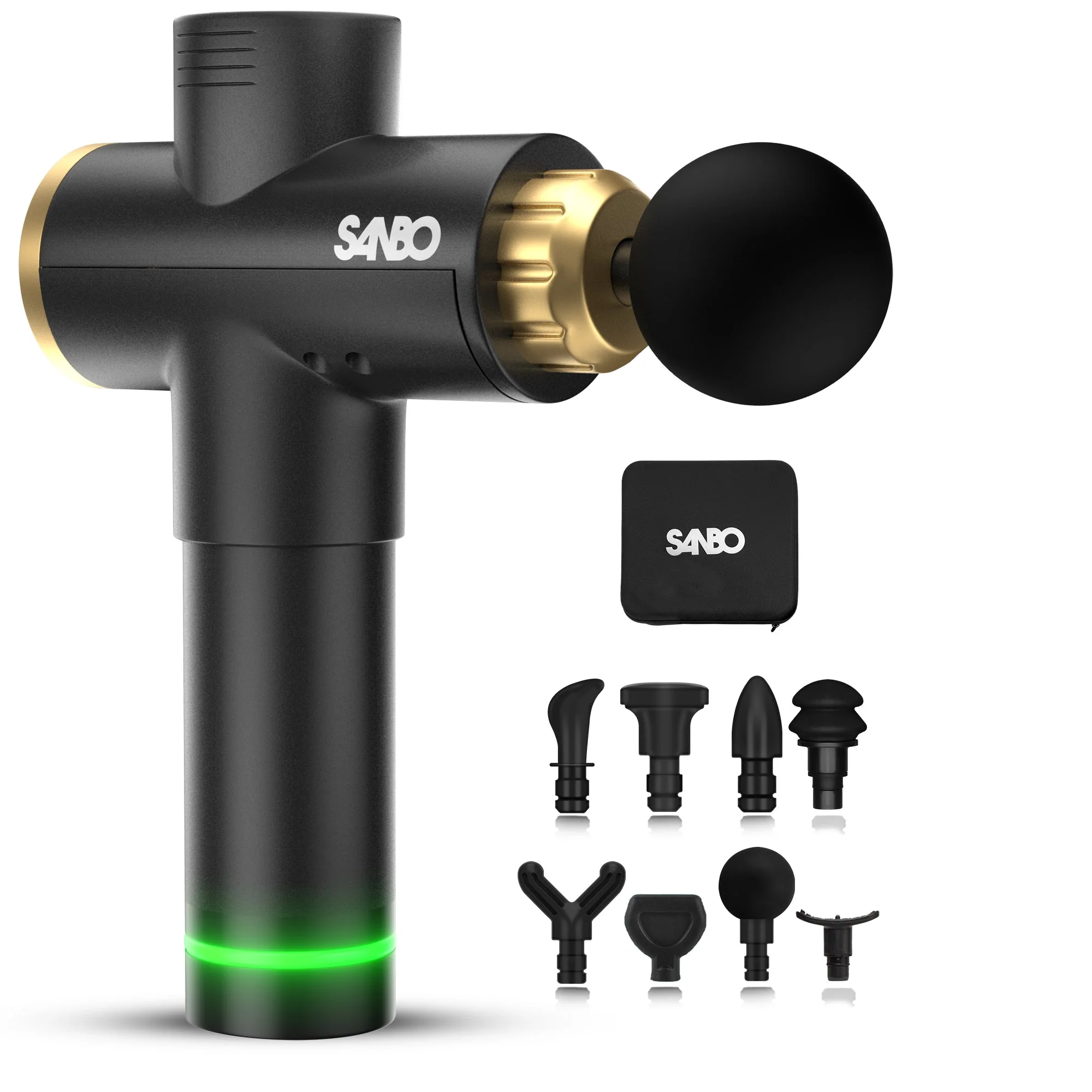
A recovery massage gun, often referred to as a percussive massager, is a dynamic handheld device designed to deliver rapid, concentrated pulses of pressure deep into your muscle tissue. Think of it as a targeted, intense version of a deep tissue massage, but one you can administer yourself, anytime, anywhere.
The Science Behind Percussive Therapy
The magic of a recovery massage gun lies in its percussive therapy. This technique involves quickly and repeatedly striking the muscle, causing vibrations to penetrate deep into the tissue. This percussive action helps to increase blood flow to the targeted area, which is crucial for delivering oxygen and nutrients while flushing out metabolic waste products like lactic acid that accumulate during exercise.
When a massage gun “percusses” the tissue, it bombards the sensory nerve pathways with high-intensity stimuli. This effectively “distracts” the nervous system, leading to reduced muscle tension and a feeling of relief, similar to instinctively rubbing a bumped elbow. The rapid pulses stimulate muscle fibers, helping them to relax and release tightness, making it an excellent tool for muscle recovery and overall well-being.
Key Components of a Massage Gun
While designs vary, most recovery massage guns share core components: a powerful motor, multiple speed settings, and interchangeable head attachments. The motor drives the percussive action, offering various intensity levels. The different attachments are designed to target specific muscle groups and provide varying levels of pressure, from broad strokes for large muscles to pinpoint accuracy for stubborn knots.
Unlocking the Benefits: Why Every Athlete Needs a Recovery Massage Gun
Integrating a recovery massage gun into your routine offers a multitude of benefits that go beyond just feeling good. These devices are powerful allies in optimizing your physical performance and overall health.
Accelerated Muscle Recovery and Reduced Soreness
One of the most celebrated benefits of a recovery massage gun is its ability to accelerate muscle recovery and significantly reduce post-workout soreness, often known as Delayed Onset Muscle Soreness (DOMS). By boosting blood flow and promoting the release of lactic acid, these devices help your muscles repair faster and mitigate that stiff, achy feeling after intense exercise. This means you can get back to your training sooner and maintain consistency.
Enhanced Blood Circulation
Percussive therapy is highly effective at improving circulation within muscle tissues. Increased blood flow is vital for delivering essential nutrients and oxygen to fatigued muscles, which supports cellular repair and overall tissue health. Good circulation also helps transport waste products away, contributing to faster healing and preventing injuries.
Increased Range of Motion and Flexibility
Regular use of a recovery massage gun can lead to improved flexibility and an increased range of motion. By loosening tight muscles and breaking up adhesions or scar tissue, the device helps your joints move more freely. This is particularly beneficial before workouts to prime muscles for activity and after workouts to maintain pliability.
Stress Reduction and Relaxation
Beyond the physical, the relaxing effects of percussive therapy extend to your mental well-being. Using a massage gun can help reduce feelings of stress and anxiety by promoting a sense of relaxation throughout your body and mind. It’s a fantastic way to unwind after a long day or de-stress after a challenging workout.
Breaking Up Scar Tissue and Adhesions
Massage guns can assist in breaking up scar tissue and muscle adhesions that form after injuries or repetitive stress. By applying targeted pressure, they help to soften and loosen these restrictive tissues, promoting better mobility and reducing chronic pain.
Choosing Your Perfect Recovery Massage Gun: Key Features to Consider
With so many recovery massage guns on the market, selecting the right one can feel overwhelming. Here’s what to look for to ensure you make an informed decision:
Power and Stall Force
The “stall force” refers to how much pressure the device can withstand before its motor stops. If you’re looking for deep tissue penetration, especially for larger, denser muscle groups, a higher stall force (40 lbs or more) is desirable. Adjustable intensity levels are also crucial, allowing you to tailor the massage to different muscle groups and tolerance levels.
Amplitude and Percussions Per Minute (PPM)
Amplitude, or stroke length, indicates how far the massage head travels with each pulse. An amplitude of 10-16mm is generally considered ideal for deep muscle relief. Percussions Per Minute (PPM) measures how fast the gun hits the muscle. Most quality recovery massage guns offer multiple speed settings, typically ranging from 1,750 to 3,200 PPM, to cater to various needs from gentle warm-ups to intense deep tissue work.
Battery Life
Consider how often and where you’ll be using your massage gun. A device with a long battery life (2-4 hours on a single charge) is essential for convenience, especially if you plan to use it on the go or for multiple sessions without frequent recharging.
Noise Level
Some massage guns can be quite loud, which might detract from your relaxation experience. Look for models with a low decibel (dB) rating, ideally below 60 dB, for a quieter and more peaceful recovery session. QuietForce technology is often highlighted in premium brands for this reason.
Attachments and Their Uses
Most recovery massage guns come with a variety of interchangeable heads, each designed for a specific purpose:
- Round Head: Versatile, great for large muscle groups like quads and hamstrings.
- Bullet Head: Ideal for targeting knots, trigger points, and deep tissue areas.
- Flat Head: Suitable for all body muscles and sensitive areas.
- Fork Head (or Spinal Head): Designed to straddle the spinal column or target muscles around the Achilles tendon.
Portability and Ergonomics
If you travel frequently or take your device to the gym, portability is key. Look for lightweight (under 2.5 lbs) and compact designs that are easy to carry. Ergonomics, including a comfortable grip and an L-shape or triangular design, ensure you can reach various parts of your body without straining your arm or wrist.
Safe and Effective Use: A Step-by-Step Guide
To maximize the benefits and avoid potential injury, proper usage of your recovery massage gun is crucial.
Pre-Workout Activation
Using your massage gun before a workout can help wake up your muscles, increase blood flow, and improve flexibility, thereby reducing the risk of injury. Spend 30-60 seconds per muscle group, using a lower intensity setting, to warm up and activate the muscles you’ll be working.
Post-Workout Recovery
After your workout, a recovery massage gun can help flush out metabolic waste, reduce muscle soreness, and speed up the recovery process. Focus on the muscle groups you’ve worked, using moderate pressure for 1-2 minutes per area. Let the gun “float” over the muscles; you don’t need to apply excessive downward pressure.
Targeting Specific Muscle Groups
- Large Muscles (legs, glutes, back): Use the round or flat head attachment with moderate to high intensity.
- Knots and Trigger Points: Switch to the bullet head attachment and apply focused pressure for 15-30 seconds, taking care not to overdo it.
- General Relaxation: Use a lower speed and a softer attachment, gliding over larger areas.
Important Safety Precautions
- Avoid Bony Areas and Joints: Never use a recovery massage gun directly on bones, joints, or bony prominences, as this can cause irritation or injury.
- Be Mindful of the Neck and Groin: Exercise extreme caution on the front of the neck due to arteries, nerves, and veins. Avoid the groin area entirely.
- No Open Wounds or Bruises: Do not use the device over bruises, cuts, abrasions, or any inflamed or injured skin.
- Limit Time Per Area: Spend no more than 2-3 minutes on any single muscle group. Overuse can lead to muscle damage.
- Start Slow: Always begin with the lowest speed setting and gradually increase intensity as your body adapts and tolerates it.
- Consult a Professional: If you have chronic conditions like arthritis, osteoporosis, or existing injuries, consult a physiotherapist or healthcare professional before integrating a recovery massage gun into your routine.
Recovery Massage Guns vs. Other Modalities: A Comparative Look
While recovery massage guns are highly effective, it’s helpful to understand how they compare to other popular recovery methods.
Foam Rolling
Foam rolling uses body weight to apply pressure, offering myofascial release. It’s excellent for broad muscle areas and improving flexibility. However, a recovery massage gun provides more targeted and intense percussive therapy, reaching deeper tissues with less effort, and can be more effective for reducing pain and improving short-term recovery.
Manual Massage
Professional manual massage offers a human touch, allowing for nuanced pressure and feedback. Recovery massage guns aim to mimic these benefits, providing similar results for muscle recovery and tension relief at a fraction of the cost and with greater convenience. Some studies even suggest percussive therapy can be just as effective, and sometimes more effective, than manual massage for certain outcomes.
Stretching
Stretching improves flexibility and range of motion. A recovery massage gun can complement stretching by increasing muscle temperature and pliability, allowing for a deeper and more effective stretch, ultimately leading to improved muscle and joint flexibility.
Expert Insights and Scientific Backing
While some research on massage guns is still emerging, the existing evidence and anecdotal reports from athletes and physical therapists are overwhelmingly positive.
What the Research Says
Multiple studies and systematic reviews have highlighted the efficacy of massage guns. A 2023 systematic review in the International Journal of Sports Physical Therapy found that massage guns could improve flexibility and reduce musculoskeletal pain. Another review from the Journal of Functional Morphology and Kinesiology in 2023 also noted their benefits for flexibility, short-term range of motion, and recovery. Furthermore, research suggests that vibration therapy, like that provided by massage guns, can reduce delayed onset muscle soreness (DOMS).
A Physical Therapist’s Perspective
“A recovery massage gun is an excellent tool when used correctly,” says Dr. Evelyn Reed, DPT, a sports physical therapist with over 15 years of experience. “I often recommend them to my patients to aid in muscle recovery, improve blood flow, and enhance flexibility between therapy sessions. It empowers individuals to take an active role in their own recovery, but always with proper technique and awareness of areas to avoid.”
FAQs about Recovery Massage Guns
Here are some common questions people ask about recovery massage guns:
Q1: How long should I use a recovery massage gun?
A: For general muscle recovery, target 1-2 minutes per muscle group post-workout. For activation before exercise, 30-60 seconds per muscle group is sufficient. Avoid spending more than 2-3 minutes on any single area.
Q2: Can I use a massage gun every day?
A: Yes, many individuals use massage guns daily for general muscle tension relief or pre- and post-workout. However, it’s recommended to leave at least 48 hours between intense treatments on the same muscle group to allow for adequate recovery. Listen to your body and avoid overuse.
Q3: Is a recovery massage gun painful?
A: When used correctly, a massage gun should not be painful. You might feel intense pressure, but it should be a “good” pain, leading to relief. If you experience sharp or increasing pain, reduce the intensity or stop using the device in that area.
Q4: What’s the difference between a cheap and an expensive massage gun?
A: More expensive recovery massage guns typically offer higher stall force, better amplitude, quieter operation, longer battery life, superior build quality, and more sophisticated features like smart apps and a wider range of attachments. While budget options can be a good starting point, mid-range to high-end models generally provide a more effective and durable experience.
Q5: Can I use it on bones or joints?
A: No, you should never use a recovery massage gun directly on bones, joints, or bony prominences, as this can cause discomfort, irritation to tendons and bursa sacs, or even injury. Always stick to fleshy, muscular areas.
Conclusion
The recovery massage gun has cemented its place as an indispensable tool in modern fitness and wellness. From accelerating muscle repair and reducing soreness to enhancing flexibility and promoting relaxation, its benefits are vast and backed by both user experience and growing scientific evidence. By understanding how these devices work, choosing the right model, and using it safely and effectively, you can unlock a new level of muscle recovery and optimize your overall well-being. Don’t just recover; recover smarter, faster, and more efficiently. We encourage you to explore the power of a recovery massage gun and share your journey towards a healthier, more mobile you.